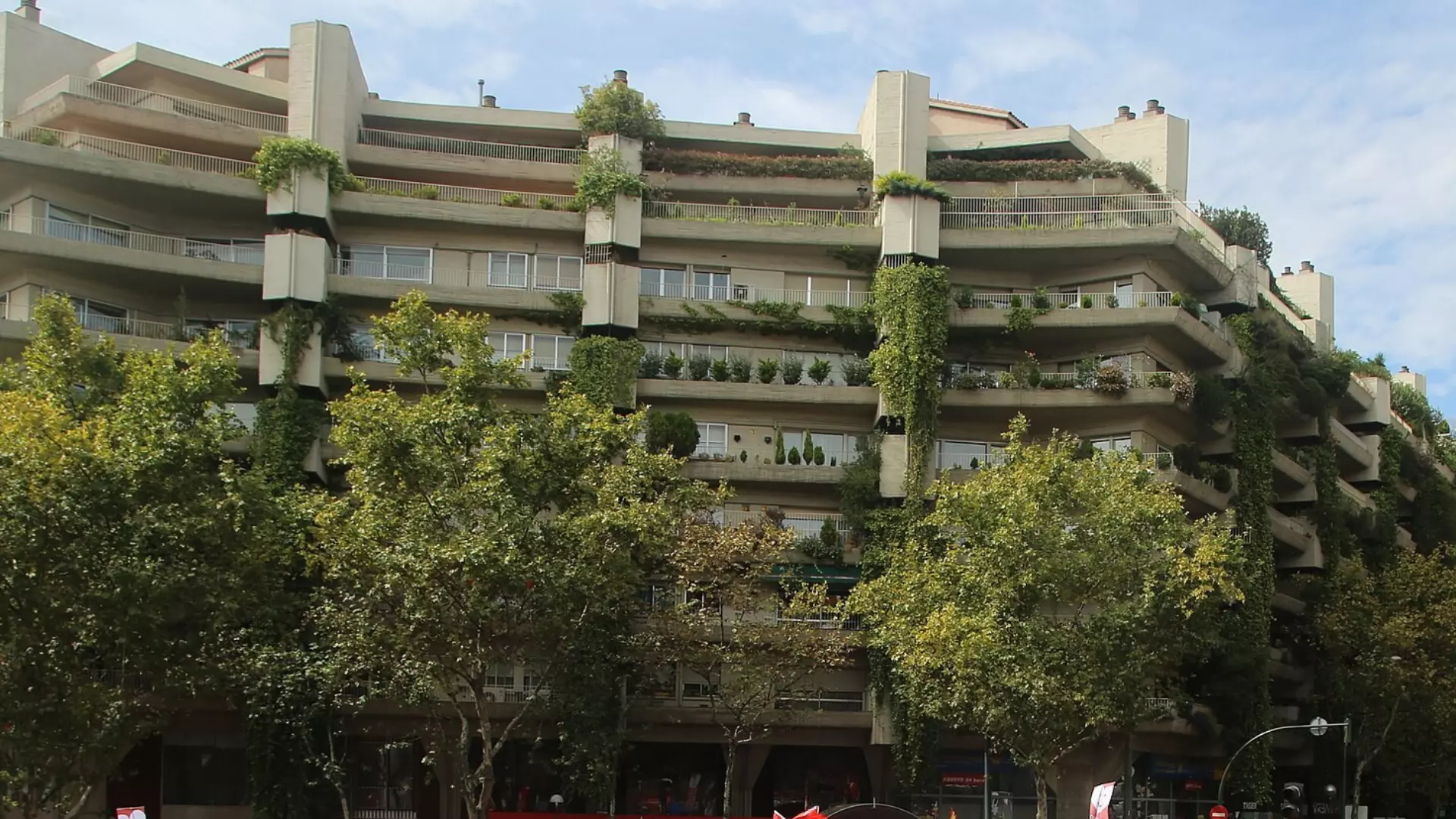
Brutalist Madrid: singular buildings gaining renewed value
Madrid is a city of contrasts, architecturally as much as culturally. Beyond its classical and stately image lies another, less visible layer, where exposed concrete and bold forms create a language of their own. This is Brutalist Madrid — a minimalist style that has attracted both devoted admirers and outspoken critics, yet rarely leaves anyone indifferent.
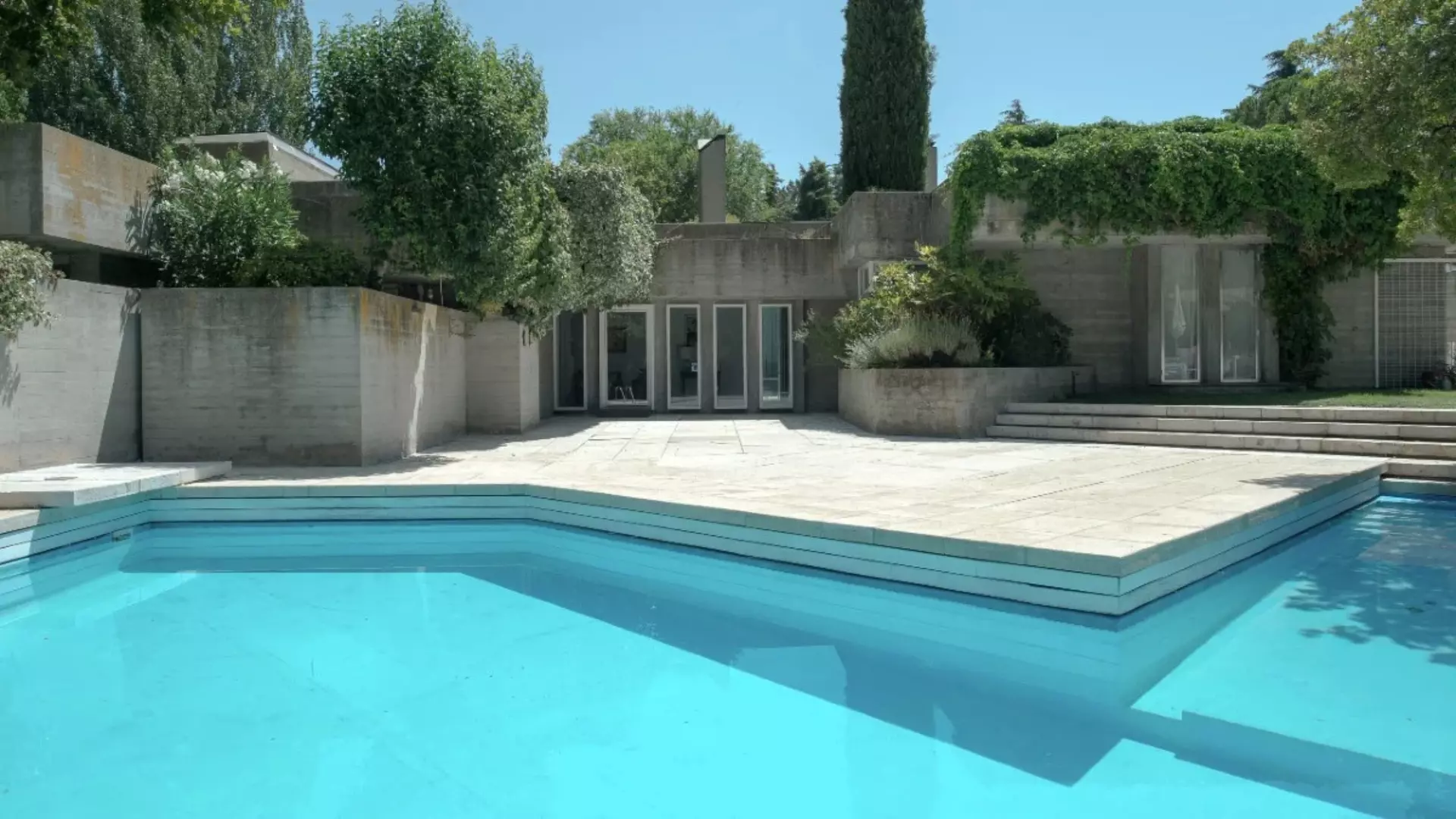
Emerging in the mid-20th century, Brutalism is defined by the explicit use of materials—particularly reinforced concrete (béton brut)—alongside strong geometric forms and a functional, monumental aesthetic stripped of ornament. While Le Corbusier is widely regarded as its leading reference, other architects played a key role in shaping and expanding the movement, including Alison and Peter Smithson in the United Kingdom, with their Hunstanton School, Paul Rudolph in the United States, and the Dutch teams of Van den Broek and Bakema.
The movement emerged in post-war Europe as a response to the urgent need for functional, cost-effective housing. Iconic examples include the Unité d’Habitation in Marseille—often considered the founding work of Brutalist architecture—as well as the Barbican Centre in London and the Geisel Library in San Diego.
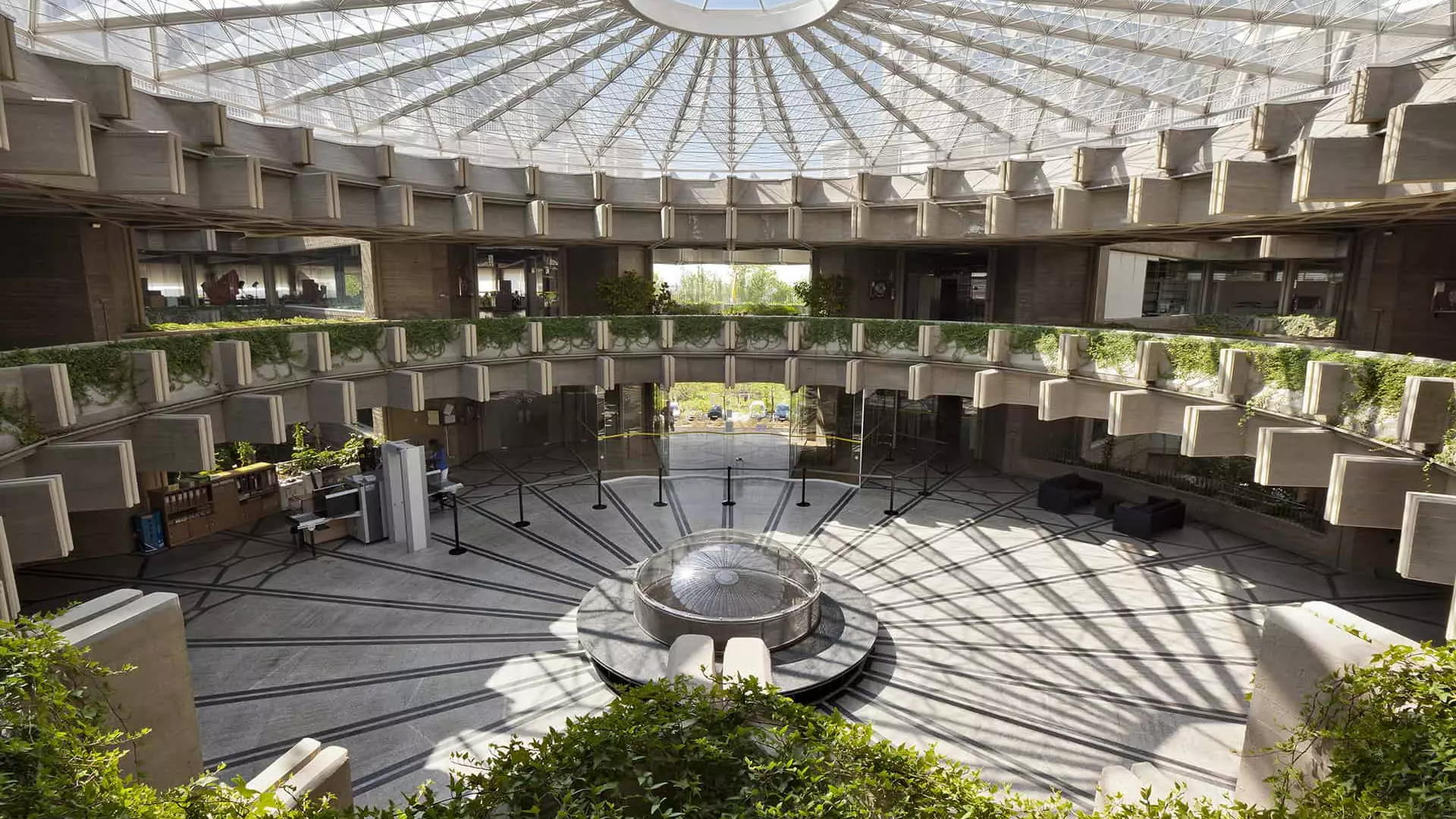
A distinct expression in Madrid
Unlike in many other cities, Brutalist architecture in Madrid became associated with more ambitious commissions, particularly from the 1960s onwards. Architects such as Miguel Fisac, Javier Carvajal and Francisco Javier Sáenz de Oiza shaped some of the most distinctive buildings of the period.
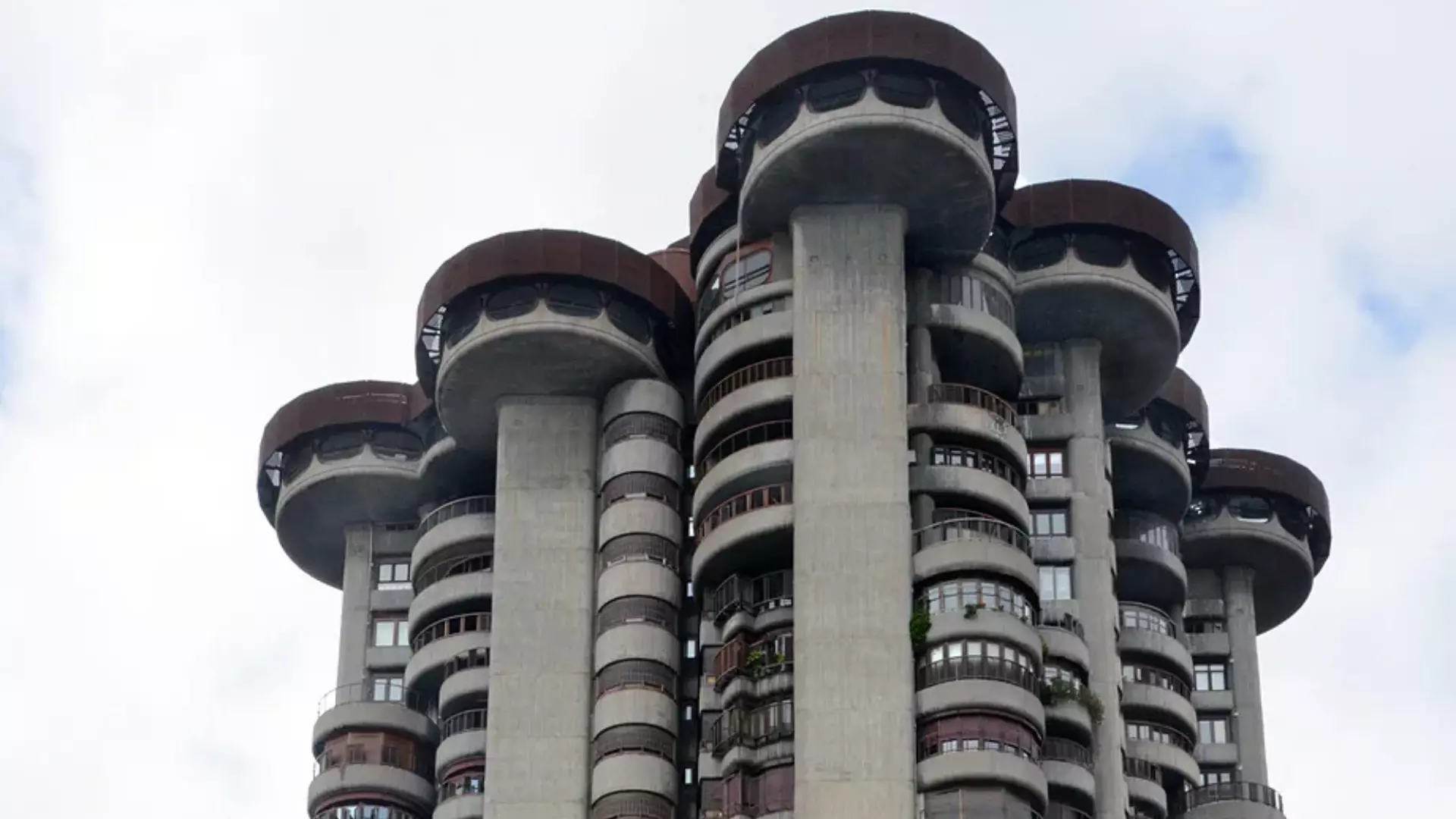
Among them is the now-demolished Pagoda by Fisac—formerly the headquarters of the JORBA Laboratories and demolished in 1999—today regarded as a symbol of the loss of modern architectural heritage. Other key works include the IBM Building on Paseo de la Castellana, which introduced a more technological and functional language into an area traditionally defined by classical architecture; the Casa Carvajal, a landmark of Brutalist residential architecture that has served as a film location and exhibition space; the Torre de Valencia, whose construction sparked controversy for altering views of the Puerta de Alcalá from Plaza de Cibeles; and the iconic Torres Blancas, where Sáenz de Oiza envisioned a vertical structure inspired by the form of a tree, integrating vegetation into façades and rooftops.
Other notable examples include the Faculty of Information Sciences at the Complutense University, with its exposed concrete and large landscaped courtyard; the Princesa Building, distinguished by its raw materiality, generous terraces and urban oasis concept—originally conceived as military housing—and the Cuzco complex, whose tower became one of the city’s tallest buildings at the time of its construction. Today, it houses Spain’s Ministry of Industry, Trade and Tourism.
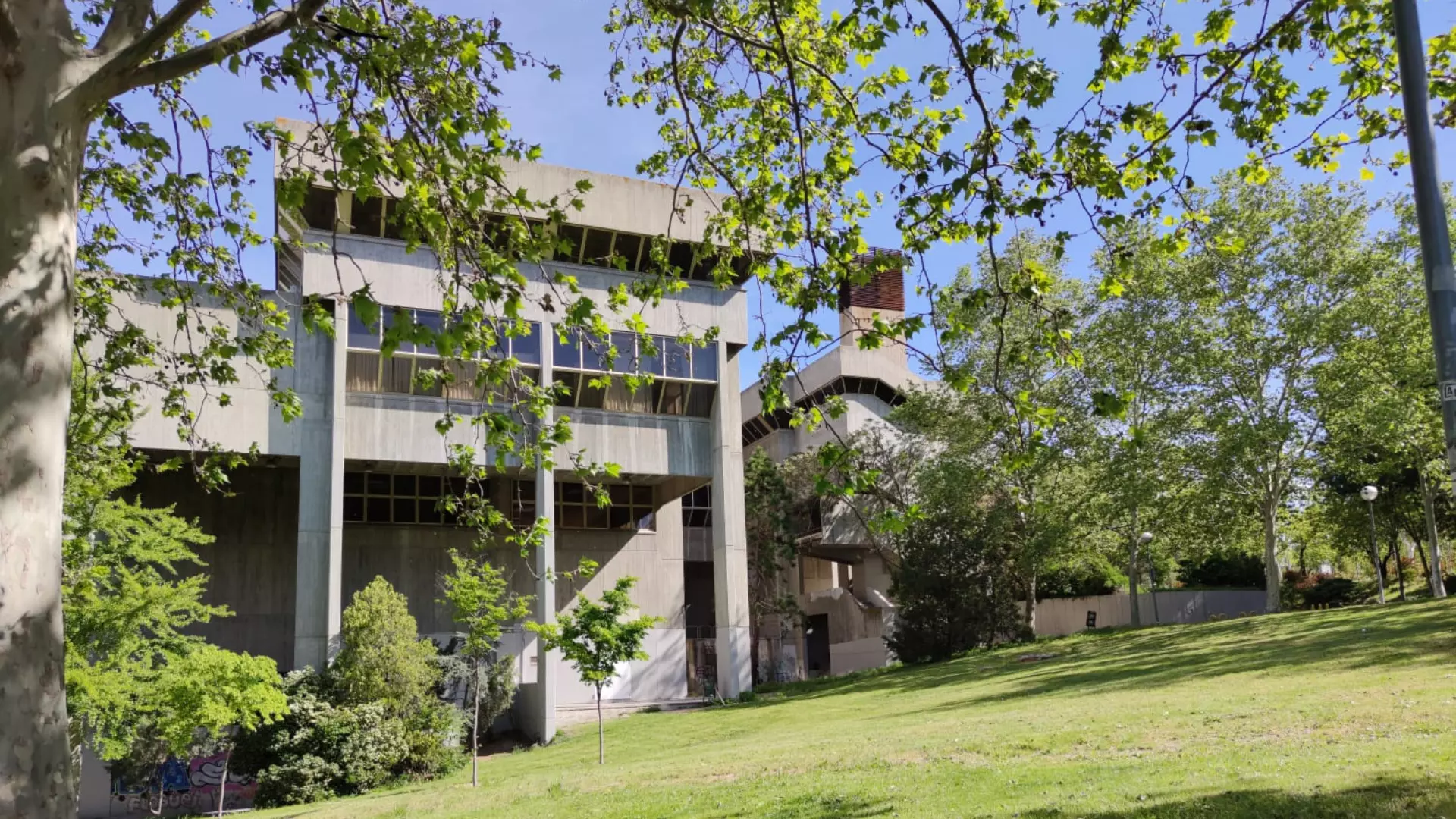
Many other examples of Brutalism in Madrid have gone largely unnoticed for years, yet they continue to represent a distinctive way of understanding residential space in the city. Buildings with significant architectural value that are increasingly attracting international buyers and require an expert eye to be properly understood and positioned in the market. In a context where supply tends towards uniformity, properties with a strong architectural identity are becoming ever more sought after.