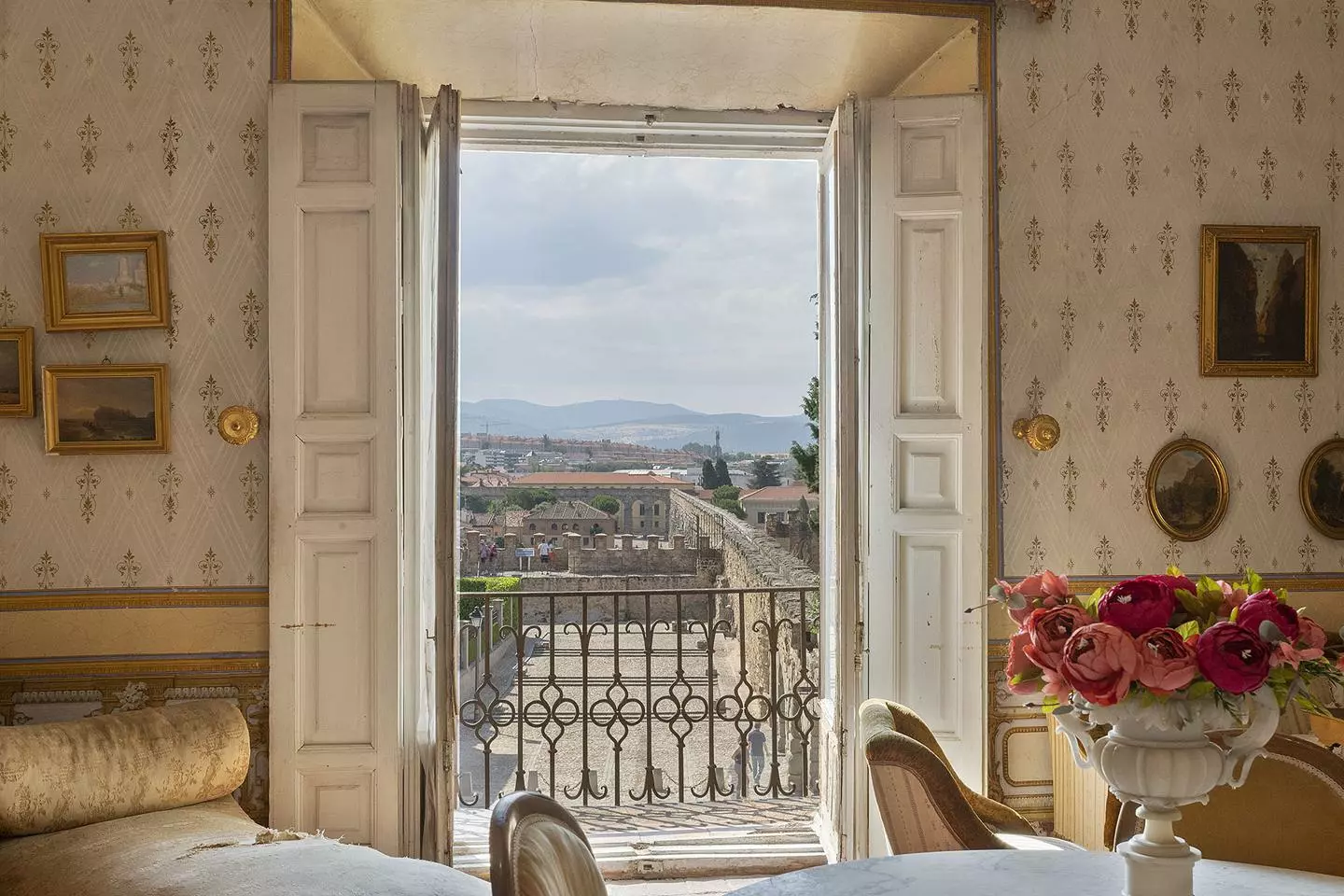
Homes made for looking at the sky
On 12 August, the first total solar eclipse visible from the Iberian Peninsula in more than a century will take place. From around 7.30 pm, the Moon will completely cover the Sun for a few remarkable moments, transforming the evening light into an experience that will be difficult to forget.
An extraordinary astronomical phenomenon, particularly visible across northern Spain, for which thousands of enthusiasts have been preparing for months. In fact, tourist accommodation in many of the best viewing areas is now almost fully booked, reflecting the desire to witness one of Astronomy’s most spectacular events.
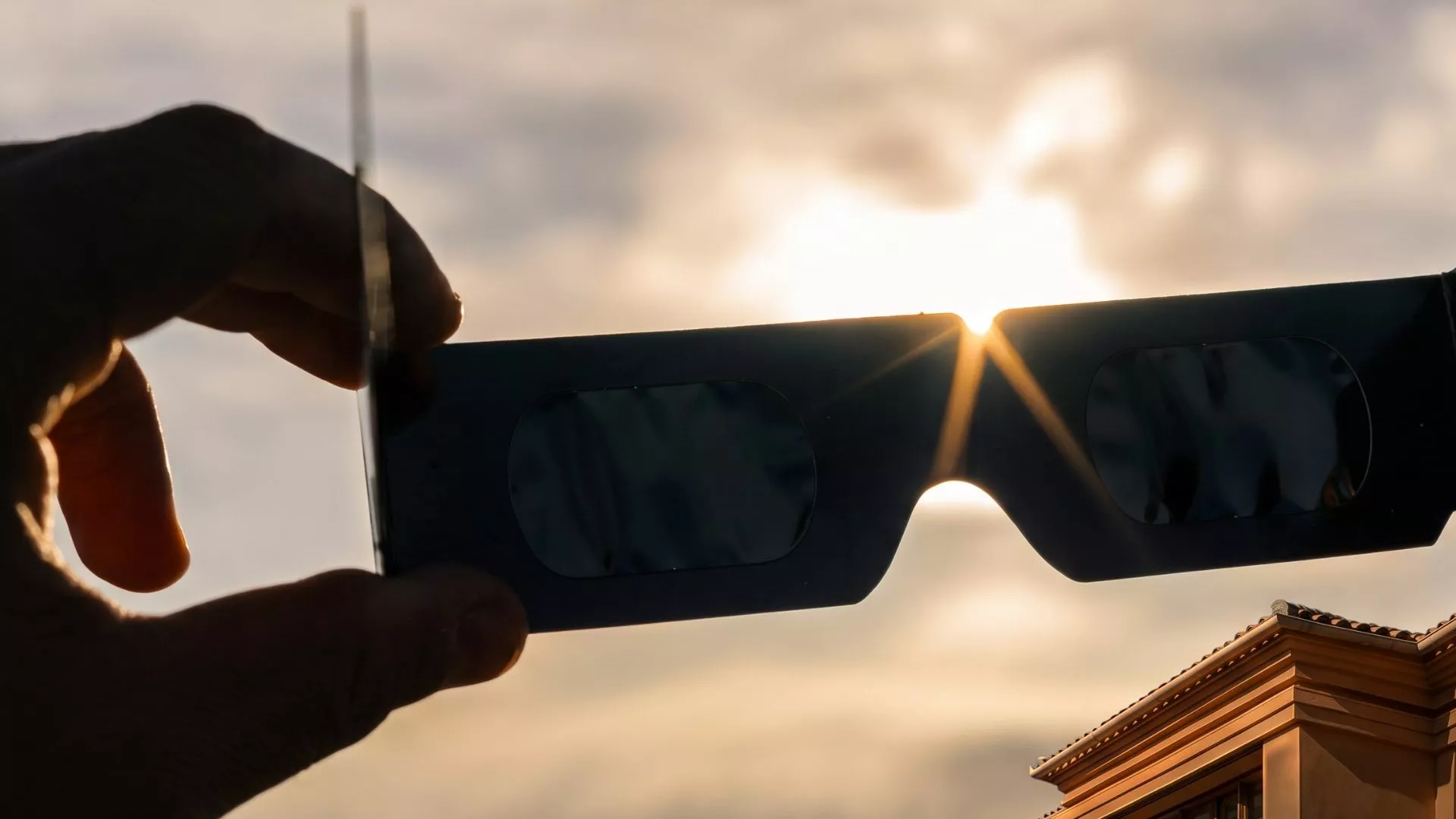
The experience will be especially memorable in rural settings, on country estates with uninterrupted horizons, or in homes with gardens, balconies or courtyards, where the eclipse will become a true visual spectacle — although appropriate protective glasses will, of course, be essential to enjoy it safely.
A little history
Spain has witnessed some of the most significant solar eclipses of the past century.
The eclipse of 29 May 1919 went down in history for helping to confirm the Theory of Relativity that propelled Albert Einstein to worldwide fame. Images taken during the eclipse showed that starlight bent as it passed close to the Sun’s gravitational field, just as the German physicist had predicted.
Forty years later, on 2 October 1959, the phenomenon could once again be observed within Spanish territory. On this occasion, the eclipse was visible from Tenerife and Las Palmas, as well as from what was then the Spanish province of the Sahara.
The last total solar eclipse visible from Spanish territory took place on 30 June 1973. It could be observed from Spanish waters off the Sahara. On land, almost total obscuration was reached at La Güera, on the Atlantic coast in southern Western Sahara — Spanish territory at the time, and today uninhabited and under de facto Mauritanian control.
The next total eclipse visible from Spain will take place on 2 August 2027. It will be considerably longer than the eclipse of 12 August, with totality expected to last around six minutes, although it will only be visible as a total eclipse from the southernmost part of Andalusia, Ceuta and Melilla.
Extraordinary places from which to watch the eclipse
Some of our properties will enjoy a privileged view of this remarkable event on 12 August. Because experiencing a home is also about looking up at the sky.
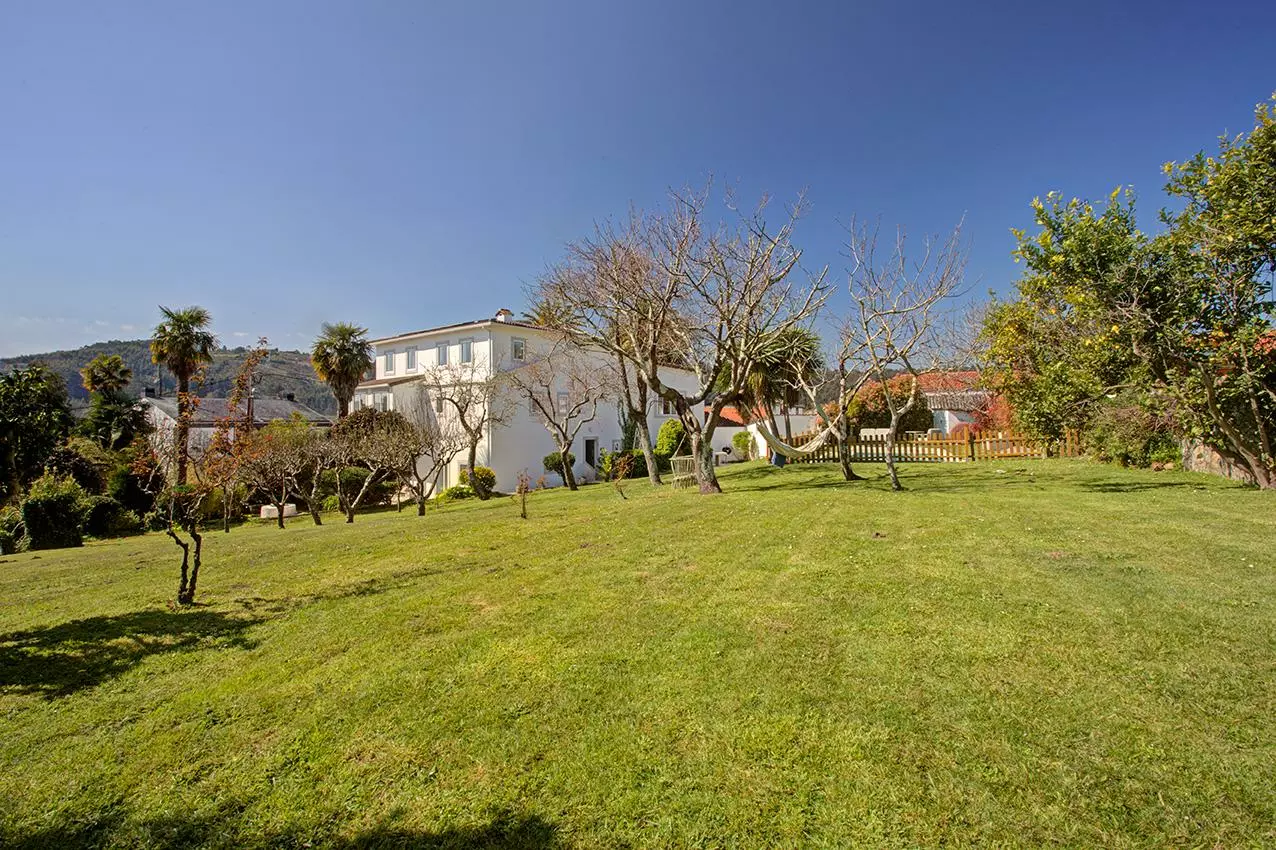
One such place is this century-old, fully restored home, located in an exclusive residential area of A Coruña, just minutes from the city centre. Its generous garden provides an exceptional setting from which to watch this spectacular astronomical phenomenon in complete comfort and tranquility.
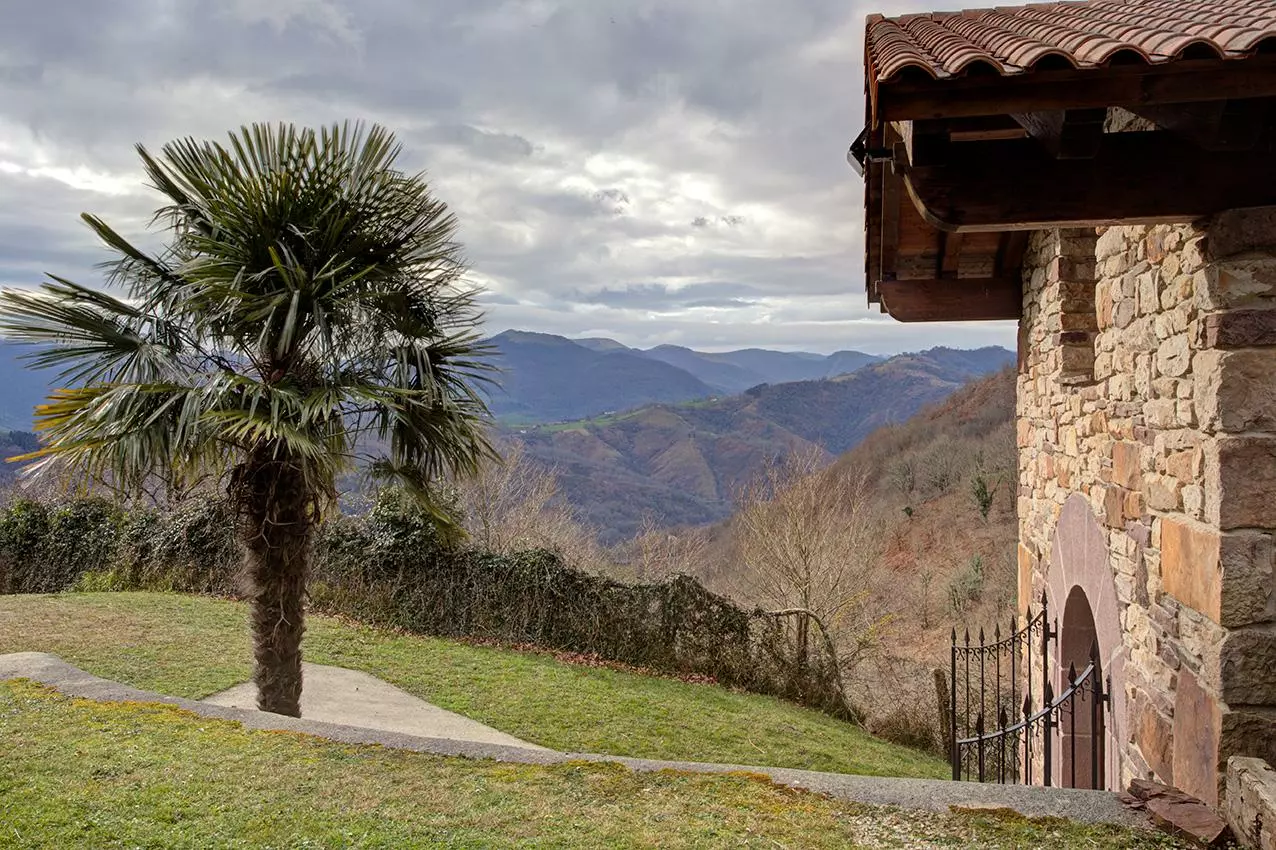
Very different, yet equally special, is this traditional caserío in Elgorriaga, Navarra, a short distance from Pamplona. Surrounded by forests and valleys, it offers an exceptional setting in which to enjoy the landscape and fresh air. And the stars.
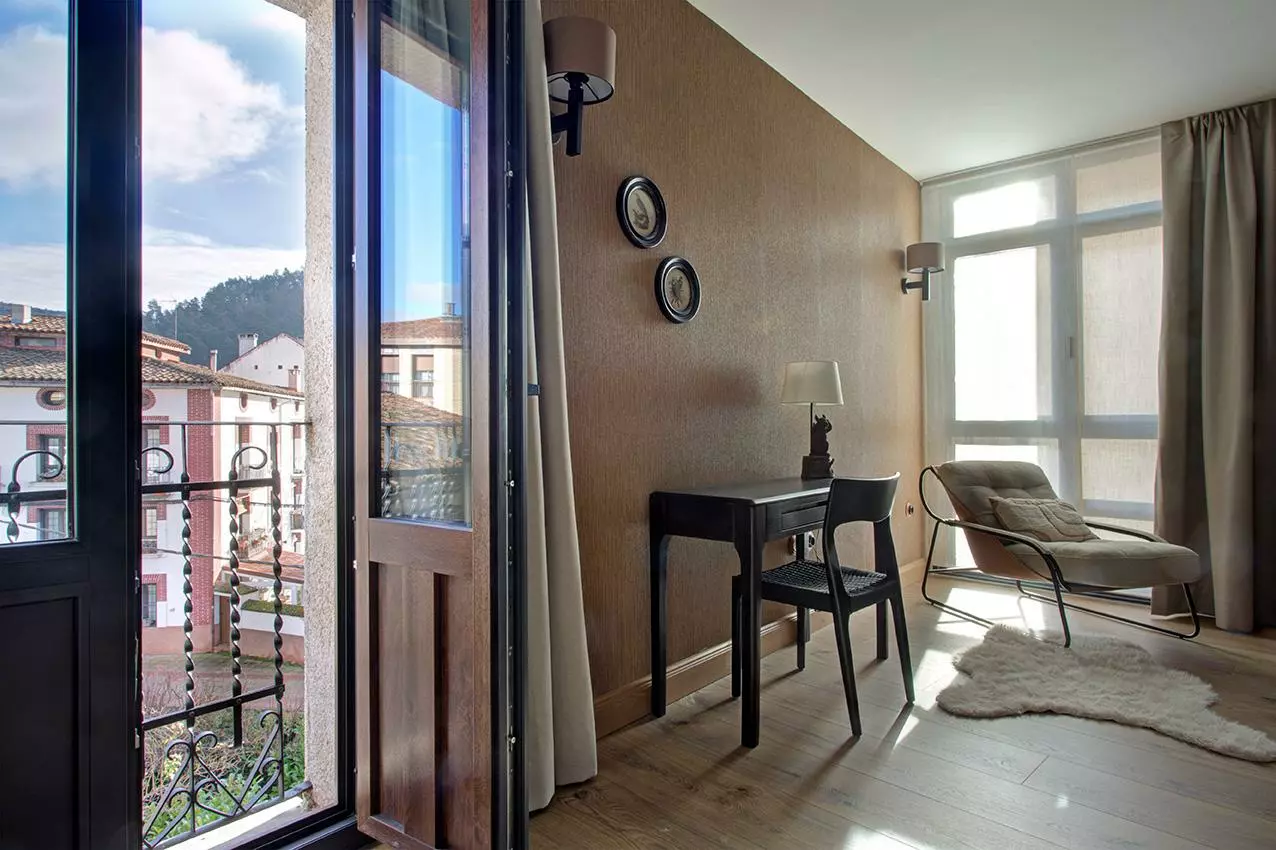
In the heart of Ezcaray, La Rioja, at the foot of the Sierra de la Demanda, stands this fully renovated duplex, designed with the feel of a mountain chalet. Located on one of the most emblematic streets in the historic centre, its balconies, windows and skylights provide ideal viewpoints from which to witness such a singular event.
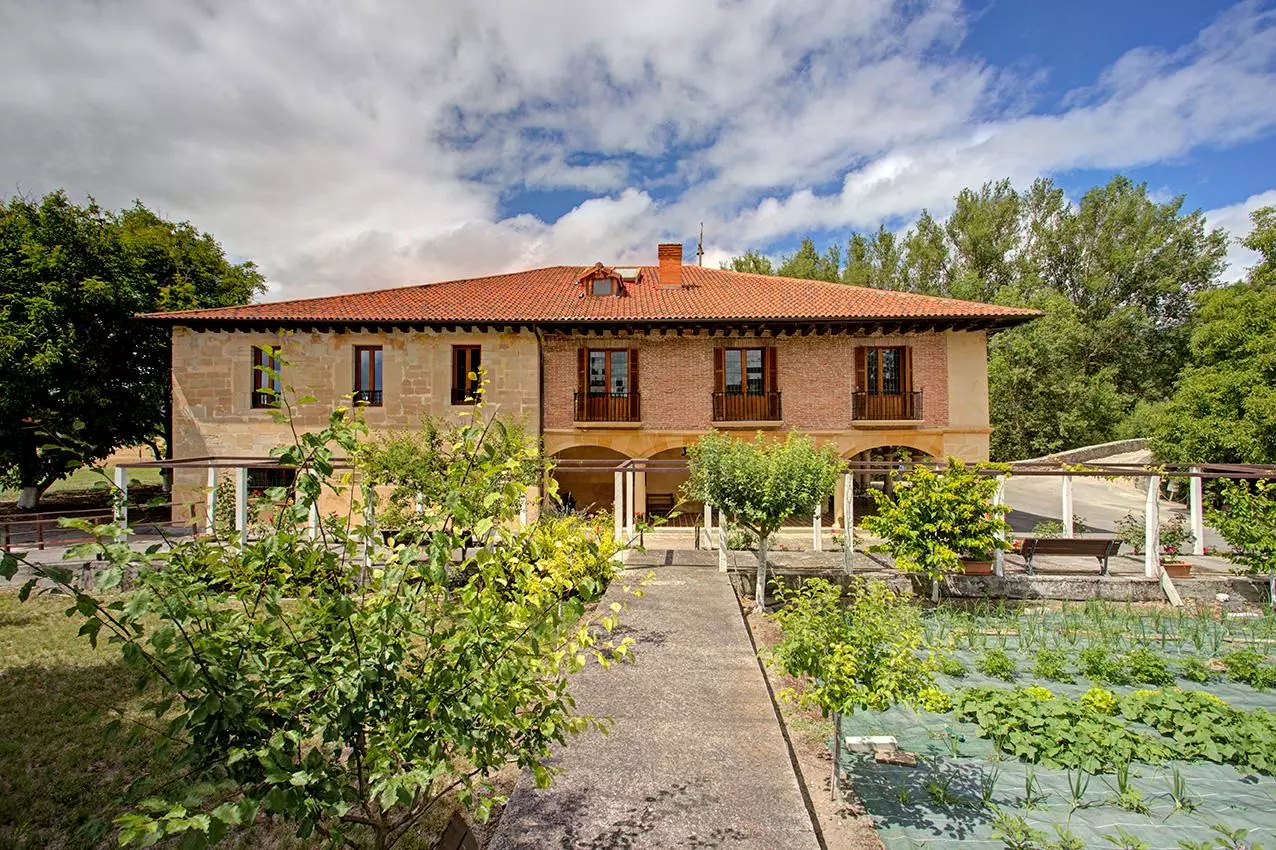
Not far away, in the province of Álava, stands this 16th-century palace house. Accessed via a Roman bridge, the property was visited by John Adams, second President of the United States, during his diplomatic mission through Spain in 1780.
Located between Espejo and Villamaderne, in the heart of the Valdegovía Valley, it features an extensive garden and vegetable garden from which the stars can be seen in all their clarity.
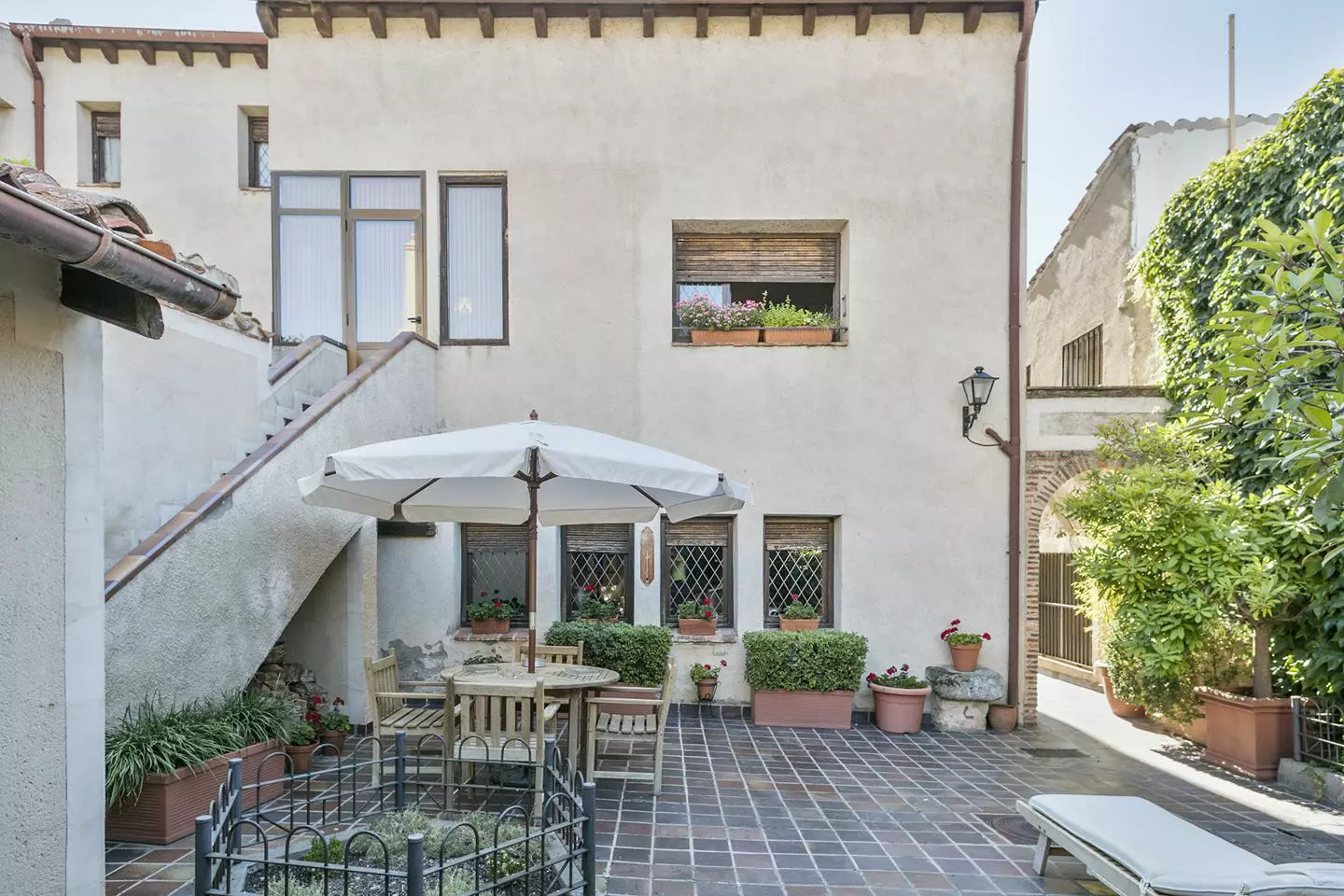
The province of Segovia will also provide a magnificent setting from which to witness the eclipse.
There we find this extraordinary manor house, close to the city’s historic centre. Built in the 15th century, it once belonged to the Hospitaller Order of Saint John of Jerusalem — the Knights of the Order of Malta — and features a beautiful inner courtyard from which to contemplate the sky.
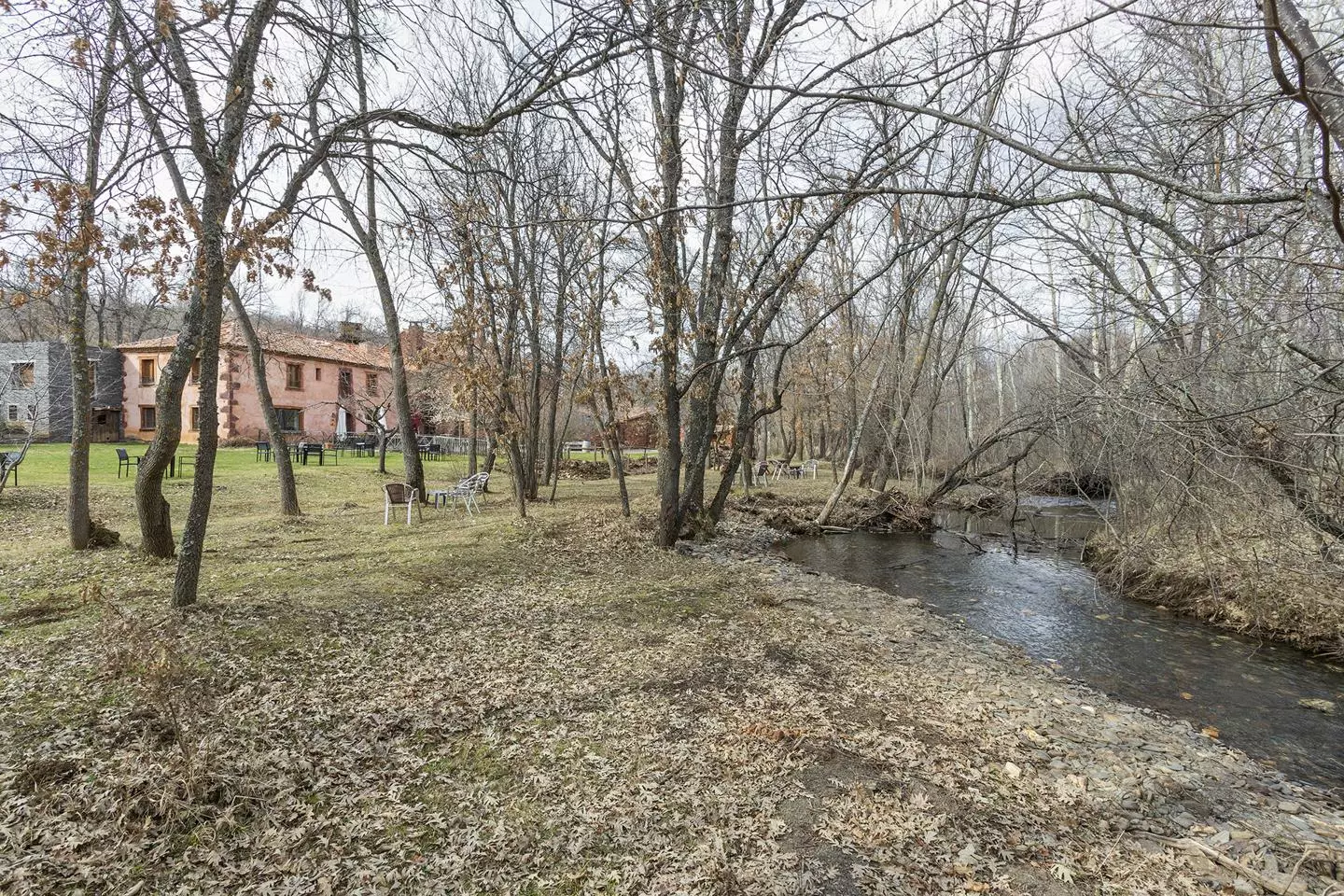
The same will be possible from the expansive riverside garden of this fully restored mill, exceptionally located close to the towns of Riaza and Ayllón.
Also in Segovia’s historic quarter stands this 13th-century palatial home with a garden, where, in addition to enjoying one of the arches of the city’s famous aqueduct, you can witness the eclipse from an extraordinary setting: a beautiful Renaissance courtyard flanked by twelve columns.